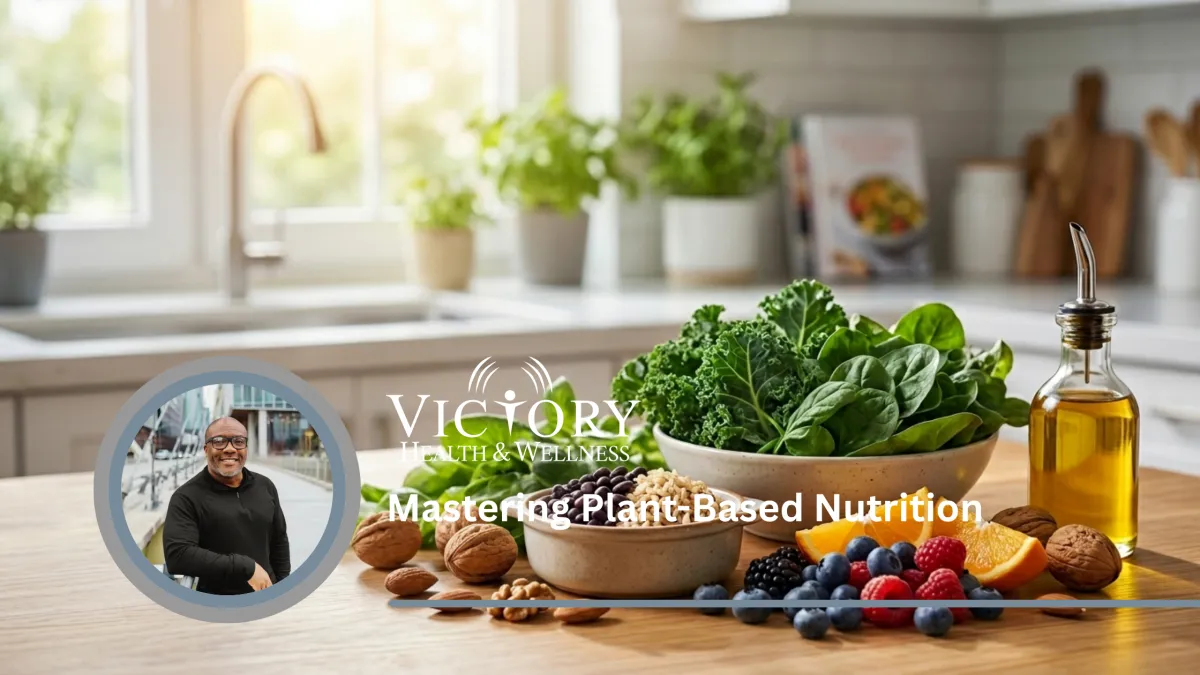
Mastering Plant-Based Nutrition: A Practical Guide
Are you considering adopting a plant-based diet? Transitioning to a plant-based lifestyle can be rewarding for ethical, environmental, health, or economic reasons. In this practical guide, we'll provide you with essential tips and insights to help you navigate the world of plant-based nutrition.
Understanding Plant-Based Diets: A Well-Balanced Approach
Many people associate plant-based diets with veggie burgers and salads, but it's more than that. It's about embracing whole foods from plants, such as fruits, vegetables, legumes, grains, nuts, and seeds. Unlike fad diets, plant-based nutrition is not about restrictions but variety and balance.
Imagine starting your day with a hearty bowl of oatmeal topped with fresh berries and chopped nuts. You savor a colorful salad with chickpeas and tahini dressing for lunch. A flavorful stir-fry with tofu, broccoli, and brown rice awaits you in the evening. This is just a glimpse of the delicious meals you can enjoy on a plant-based diet.
To succeed, focus on protein, fiber, vitamins, and minerals-rich foods. For protein, think beans, lentils, quinoa, and tofu. Opt for whole grains like brown rice and whole wheat pasta, which provide sustained energy. Load up on veggies of all colors to ensure a wide range of nutrients.
Balancing Macronutrients: A Key to Plant-Based Success
Balancing macronutrients is crucial. Protein is not only about quantity but quality. Plant-based proteins might contain only some essential amino acids, but combining different sources throughout the day can compensate.
Consider this: a peanut butter sandwich on whole-grain bread provides a complete protein source. Pairing beans and rice is another excellent combination. These simple strategies ensure you get all the essential amino acids your body needs.
Carbohydrates are your body's primary source of energy. Embrace whole grains and starchy vegetables. They keep you full and provide essential nutrients. Remember, it's about the quality of carbs – whole and unprocessed.
Eating Mindfully: Timing and Portion Control
Eating regularly, every 3-4 hours, prevents energy dips and helps you stay focused. Skipping meals can lead to low energy levels and disrupt your metabolism.
Portion control is essential. Even with plant-based foods, calories matter. Nuts and avocados, while healthy, are calorie-dense. Be mindful of your portions to maintain a balanced diet.
Pay attention to your body's hunger and fullness cues. Snacking can disrupt these cues and lead to overeating. Cultivating a connection with your body's signals is invaluable.
Variety is Key: Exploring Different Foods
Variety is the spice of life, and it's no different in plant-based nutrition. Eating a wide range of foods ensures you get all the nutrients your body needs.
Challenge yourself to try new ingredients and cuisines. Ever had a Buddha bowl? It's a colorful mix of grains, veggies, and dressings that can become a favorite.
Remember spices and herbs. They add flavor without the need for excess salt or unhealthy fats. Turmeric, basil, and garlic can transform your dishes.
Supplements for Plant-Based Diets: Filling nutritional gaps
Vitamin B-12: Essential for brain function. Consider supplementation.
Omega-3: For heart and brain health. Look for plant-based sources like flaxseeds and walnuts.
Greens Powder: A convenient way to boost micronutrient intake.
Protein Powders: Pea, hemp, and rice-based options can support protein needs.
Calcium: Essential for bone health. Seek plant-based sources like fortified non-dairy milk.
Vitamin D: Crucial for bone health. Ensure adequate sun exposure or take supplements.
Transitioning to a plant-based diet can be an exciting journey filled with vibrant foods and health benefits. You can thrive on a plant-based diet by focusing on a well-balanced approach, mindful eating, variety, and appropriate supplements.
Ready to embrace plant-based nutrition? Share your thoughts and experiences in the comments below. Your journey might inspire others to take the first step toward a healthier, plant-powered life.