The New US Food Pyramid Explained
What Changed and Why It Matters
For many years, the food pyramid showed people where to begin. Bread, cereal, rice, and pasta sat at the bottom. These foods were meant to form the base of daily meals. Families planned around them. Schools built menus from them. They became the starting point of eating.
Over time, food changed. More meals came from packets and boxes. More ingredients were refined and processed. At the same time, nutrition science continued to grow. Researchers learned more about how food affects hunger, energy, digestion, and long-term health. The new food pyramid reflects that learning.
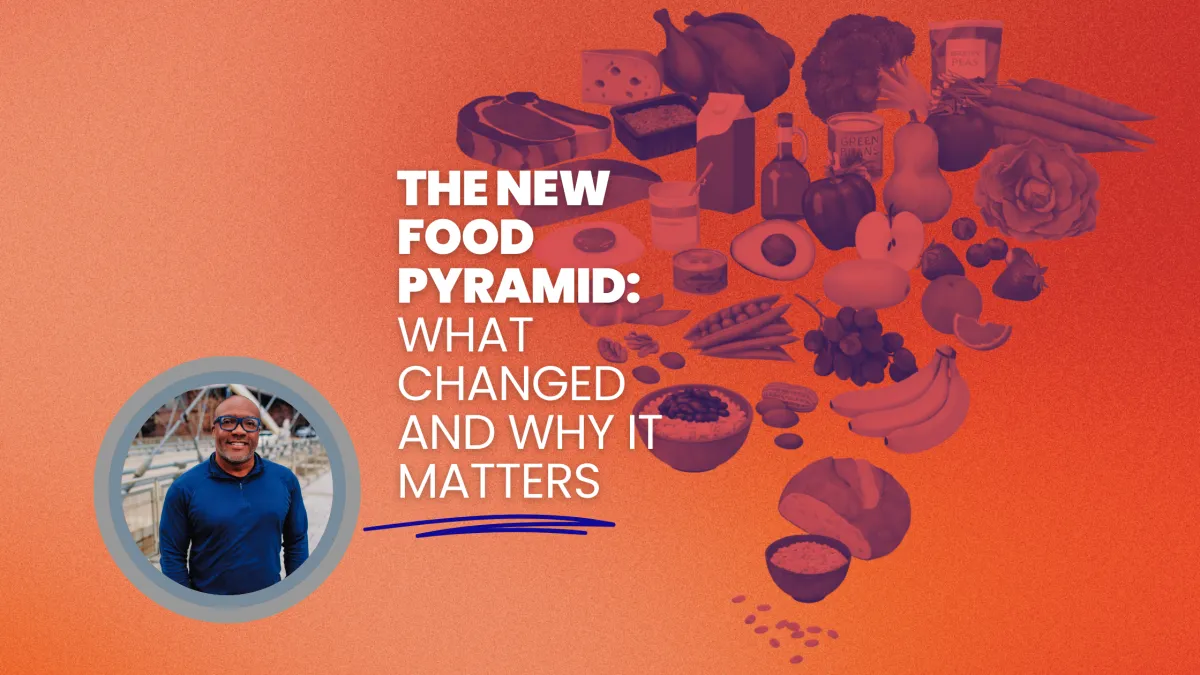
When the updated pyramid was released, most people only saw the image. They did not read the guidelines that explain what the image represents. The picture shows order and priority, but the written guidance explains meaning. Without the full context, it is easy to miss what the change is really about.
Want a clear, simple breakdown?
Download our free guide, “5 Myths About the New U.S. Food Pyramid,” to understand what the pyramid really means—and how to apply it to real life.
What the New Food Pyramid Is (and Is Not)
The pyramid is not a meal plan. It does not tell people when to eat or how much to eat. It sorts food by quality and by how well it supports the body. It helps answer a simple question: which foods should appear on our plates most often?

In earlier versions, grains were grouped together with little difference between whole grains and refined grains. Oats and brown rice were placed beside white bread, crackers, and packaged cereals, as though they worked the same way in the body. Research now shows that they do not.
When grains are refined, much of their fiber is removed. Digestion happens faster. Blood sugar rises more quickly. Hunger returns sooner. These foods pass through the body without creating much fullness. Whole grains behave differently. They contain fiber and structure. Digestion is slower. Energy is steadier. Meals feel more satisfying.
The new guidance makes this difference clear. Whole grains remain part of daily eating. Refined grains step away from the foundation. Foods like white bread, crackers, packaged cereals, flour tortillas, and sugary drinks no longer shape the base of meals.
Carbohydrates still matter. They appear in vegetables, fruits, legumes, and whole grains. What has changed is which carbohydrates build the foundation.
This thinking also applies to processed foods in general. Foods that rely on added sugars, artificial sweeteners, preservatives, and heavy flavoring are no longer treated as everyday foods. Drinks like soda, fruit drinks, and energy drinks also move away from the center. These foods do not support the body in the same way whole foods do.
Another part of the pyramid that now holds more importance is protein. Protein supports muscle, bones, growth, and repair. It also helps meals feel filling and supports steady energy.
Protein comes from many foods. It includes eggs, poultry, seafood, and meat. It also includes beans, lentils, legumes, nuts, seeds, and soy foods like tofu and tempeh. This allows many eating styles to fit within the same structure.
Meals that include protein tend to feel more balanced. Hunger returns more slowly. Energy lasts longer. Protein becomes part of daily eating rather than something added only at times.
This approach supports people who eat in different ways. Plant-based meals can be built around legumes, tofu, vegetables, fruits, and whole grains. Mixed diets can include animal foods along with plants. The foundation remains the same. Food should be whole, nutrient-dense, and close to its natural form.
For a long time, refined and packaged foods became common because they were easy to store and easy to sell. Over time, convenience came to look like suitability. The updated pyramid shifts attention back to foods that need little explanation.
Protein foods, vegetables, fruits, whole grains, healthy fats, and dairy form the base of nourishment. These foods provide fiber, structure, and steady energy. They support digestion and help the body recognize fullness.
When meals are built from these foods, eating becomes simpler. Hunger feels easier to understand. Energy becomes more even. Food begins to feel supportive rather than confusing.
Ready to Apply This to Your Own Health?
Understanding the food pyramid is helpful. Applying it to your lifestyle, preferences, health history, and goals is where meaningful change happens.
Book a Comprehensive Wellness Consultation to take a personalized, data-informed approach to nutrition, movement, and lifestyle habits—so your plan supports long-term health, energy, and resilience, not just short-term changes.